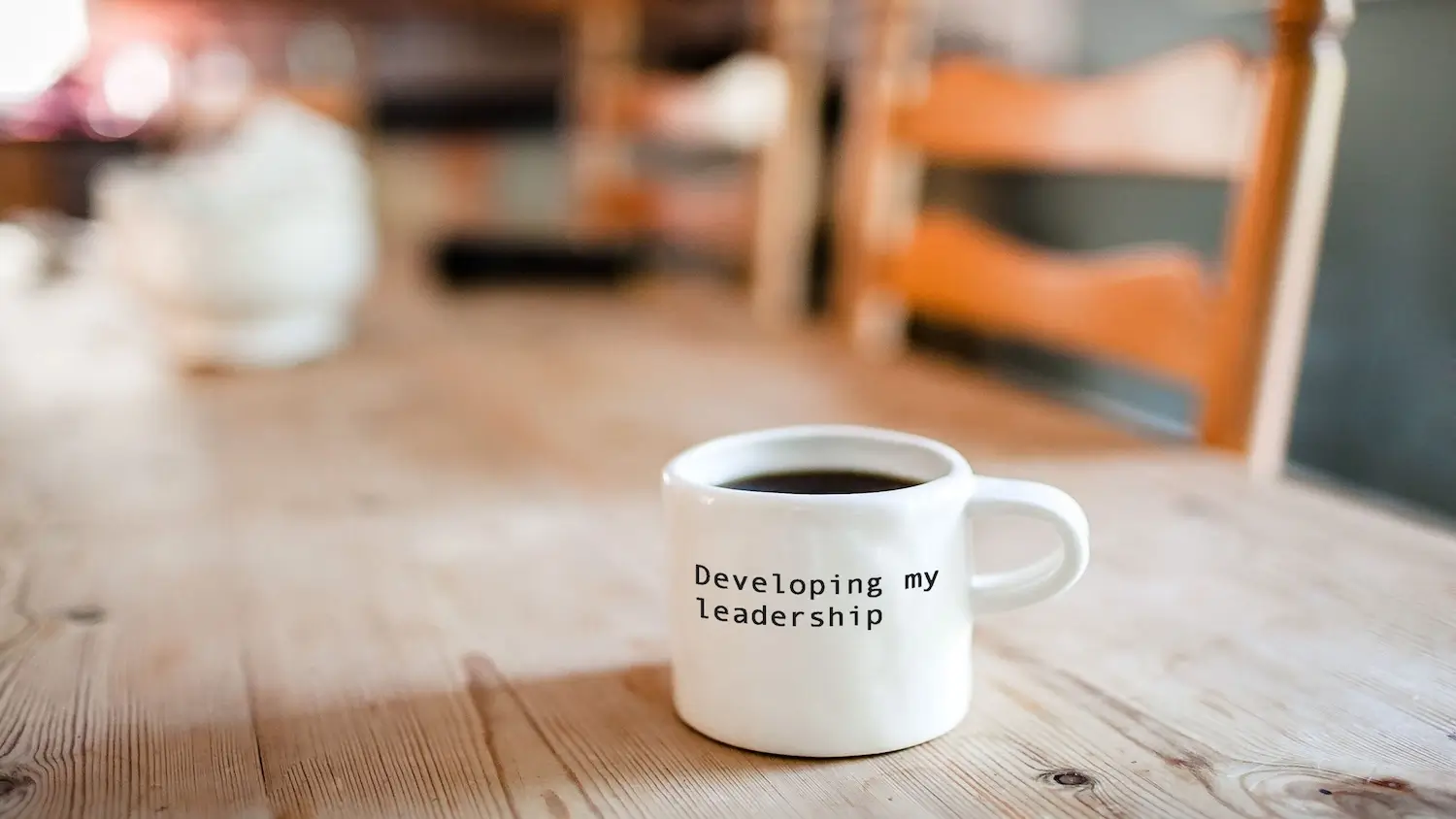
Being a leader means knowing how to be a reference at any time, not only when everything goes as planned, but also when the situation is new, unpredictable and challenging. In fact, it is especially in times of crisis that employees and guests (or customers) look to the leader for answers and a direction to follow. For this reason, managing a complex situation badly is enough to lose the trust, esteem and respect – elements that have taken years to be created and consolidated – of a loyal person.
In an interesting article that appeared in the Time in mid-March 2020 and entitled “In the Battle Against Coronavirus, Humanity Lacks Leadership”, Professor J. N. Harari proposed a detailed description of the current context regarding leadership. From his point of view, what is needed right now is a cooperative mentality and communication that informs people scientifically and in a clear way. For this reason, the task of leaders is to develop these two aspects, quickly and effectively, especially in the hospitality industry, which is one of the most affected businesses in this period.
However, current statistics show that there is still a lot of work to be done. In fact, according to a survey on leadership development carried out by Deloitte, 56% of companies (and hotels) say they are not ready to meet internal needs in the area of leadership. In addition, according to the Human Resources Professional Association, 63% of millennials feel that their leadership has not been adequately developed by their managers. These data let us think that the corporate world, and the hospitality world in particular, have a long path of growth ahead on this issue.
Leadership, however, is one of the most studied skills and the theories available, which lead to important reflections, are many. Kenneth Blanchard and Paul Hersey introduced the Situational Leadership Model, which is the fundamental idea that a leader should be able to recognize the different types of situations and to adapt his or her behavior from time to time. Daniel Goleman, instead, proposed six main styles that a leader can implement: visionary (goes beyond the schemes), coach (develops people), affiliative (can create harmony), democratic (involves people), pacesetting (makes people achieve goals) and authoritative (can take charge of the situation). The last style, often criticized and badly seen because it is characterized by a strong stance, proves to be indispensable in times of crisis.
So, when a leader finds himself in a complex, highly changing and uncertain situation, what should he or she do? We propose seven essential aspects:
- Communicate with transparency and honesty
- Share objective and certified information
- Manage emotions by finding calm and security
- Listen and take care of the employees
- Maintain contacts and relationships with guests or customers
- Review short and long term objectives
- Think about new solutions evolving the strategies applied so far
This period is surely a great challenge for the world of hospitality. We are sure that this moment presents an important possibility of growth for this sector too. As Arne Sorenson, CEO of Marriot Hotels, Resort and Suits and a great example of a leader, said, “when this is all over, we will be back to welcome our guests”. To do this, it will be essential that hospitality (and the business world in general) develops more and more solid, consistent and focused leaders who can instill trust and foster a way of working based on unity rather than division. Only with leaders of this kind we can quickly overcome this crisis and any difficulties that may arise on our path.