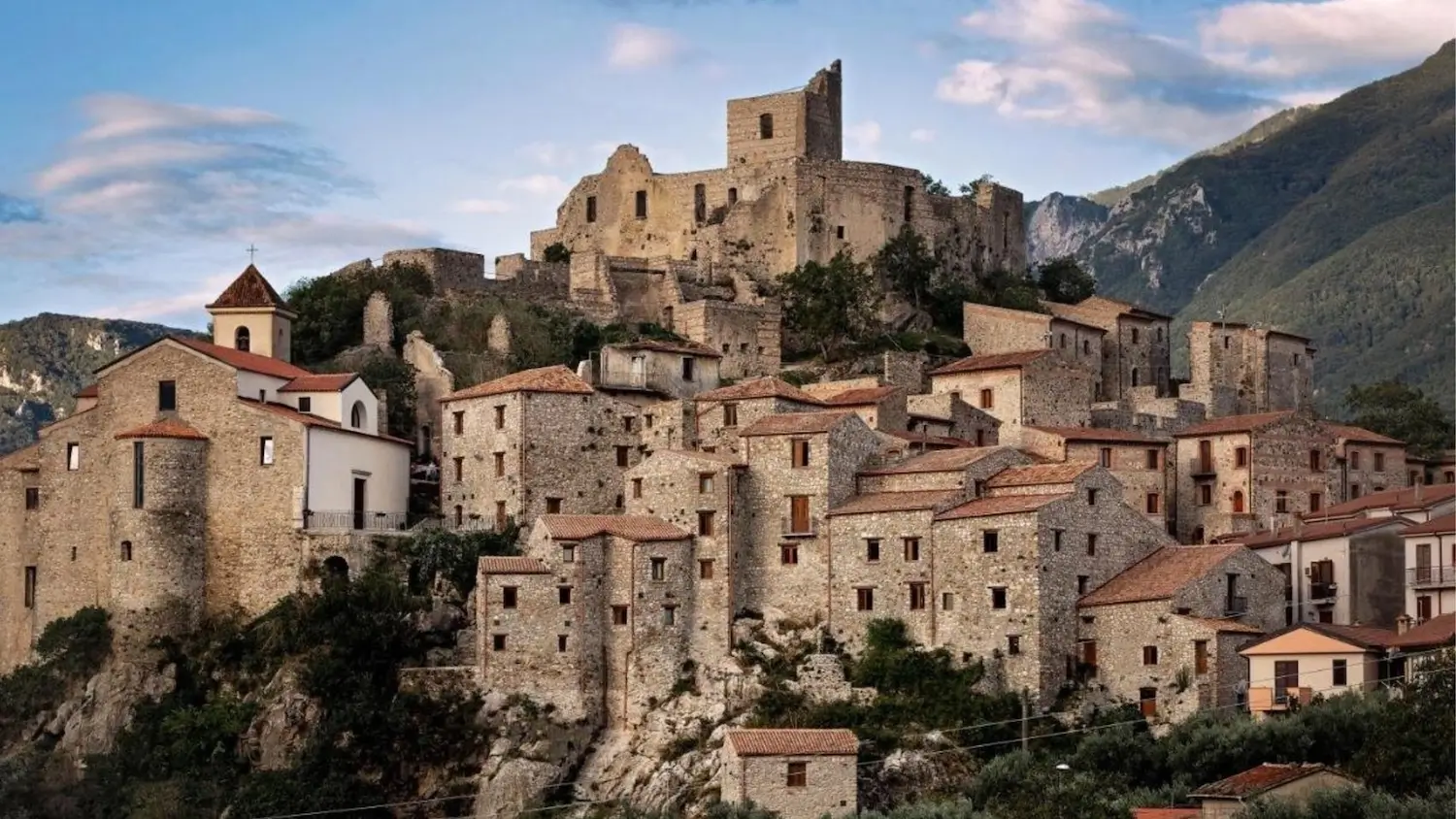
Recently Giancarlo Dall’Ara, president of the Associazione Alberghi Diffusi d’Italia, quoted some words of Giorgio Armani in one of his tweets: “I think we are at year zero of #turismo: the year of change in which we have to rethink some fundamental chapters such as increasing the quality of structures and services“[1].
This is a theme we have dealt with in one of our previous articles (Hospitality: towards an innovative and sustainable tomorrow) in which we focused in particular on three key words: quality, sustainability and professional training. These three principles are incorporated within the concept of the albergo diffuso. Let’s see why.
What is meant by an albergo diffuso and how was it born[2]?
The initial idea originated in Carnia, an area belonging to the Friuli-Venezia Giulia region, following the earthquake of 6 May 1976 which destroyed the entire area. As many citizens abandoned the towns affected by the earthquake, a need arose to develop uninhabited houses and villages for tourism purposes.
In 1982, Giancarlo Dall’Ara, an expert in tourism marketing, was called in for advice and began to devise a form of albergo diffuso, a sustainable and well-organised way of saving and enhancing these places through tourism.
The term “diffuso” basically sums up three meanings:
- A model of horizontal and sustainable tourism development in the area which does not create a negative environmental impact. To create an albergo diffuso, in fact, it is not necessary to build anything: what already exists, such as empty buildings, abandoned houses, uninhabited historic centres, is recovered and renovated.
- Enhancement of local resources, stimulating initiatives and involving local producers, who are considered a key component of the offer.
- A stay characterised by the authentic lifestyle of small villages, accompanied by all the hotel services, such as reception, catering, common spaces and services for guests. The latter stay in houses with rooms and, in some cases, equipped kitchens, no more than 200 metres from the centre of the albergo diffuso to which they belong. This is where the reception, common areas and a refreshment area linked to the local area are located. The hall is often a small square or an alley.
On the basis of these special features, the albergo diffuso was celebrated by CNN last January as the perfect hotel solution for the post-covid period[3]. As well as generating considerable economic benefits, it is highly seasonally adjusted and helps to prevent the depopulation of these villages, which are not mass destinations but new forms of responsible tourism.
The success of this project is based on a perfect synergy between the territory and the residents. Unlike other realities, where the resident does not feel involved in tourism, the albergo diffuso cannot exist without the involvement of the population. Considering that one of the objectives is the promotion of the territory, who better than a local inhabitant to know and love their land?
In an Albergo Diffuso one does not sell rooms, but the lifestyle of a village, where the tourist can feel like a “temporary resident”. The people are the key element and they are the first to have to bring their skills and knowledge into play, collaborating with the stakeholders[4], thanks also to targeted professional training. In order to achieve an efficient territorial organisation that meets the needs of tourists and the existing community, it is crucial to be motivated, proactive and environmentally sensitive.
In this way, the albergo diffuso represents the ideal formula for quality, sustainable tourism of value to both the tourist and the area.
Francesca Capece
Content Editor
Hospite – The Italian Hospitality Academy
[1] Giancarlo Dall’Ara su Twitter: https://t.co/5V0UHi3GHO” / Twitter
[2] http://www.albergodiffuso.com/
[3] https://edition.cnn.com/travel/article/italy-covid-hotel-albergo-diffuso/index.html
[4] A person or organization that has a legitimate interest in a project or entity. In discussing the decision-making process for institutions […] the concept has been broadened to include everyone with an interest (or “stake”) in what the entity does (Wikipedia.org)